Something shifts in late August. The light changes. The mornings get cooler. The supermarkets quietly start filling up with squash, root vegetables, and the earthy abundance that makes autumn one of the most exciting seasons for anyone eating a plant-based diet.
If you've been eating vegan through the summer - or if you're thinking about making the transition as the new season begins - now is the perfect time to prepare. Autumn is not a challenge for plant-based eating. It's where it thrives.
Here's how to get ready.
Why Autumn Is the Best Season for Plant-Based Eating
Summer gets all the attention when it comes to fresh produce, but autumn is quietly the most generous season of the year for anyone who eats plants.
October and November bring some of the most nutritionally dense, versatile, and satisfying ingredients available:
- Butternut squash and pumpkin - rich in beta-carotene, vitamin C, and fibre
- Sweet potato - one of the most complete plant foods available, high in complex carbohydrates, vitamin A, and potassium
- Chestnuts - the only nut that is high in starch rather than fat, making them a unique energy source
- Parsnips, turnips, and celeriac - underrated root vegetables that form the backbone of warming autumn cooking
- Kale, cavolo nero, and Brussels sprouts - cruciferous vegetables that are at their best after the first frost
- Apples, pears, and figs - seasonal fruits that peak in September and October
- Mushrooms - including wild varieties like chanterelle, porcini, and oyster, which are in season across the UK and Europe from September
This is the season when a plant-based diet stops being about salads and smoothies and becomes something deeply satisfying - slow-cooked stews, roasted root vegetables, warming soups, and hearty grain dishes that sustain you through colder days.
Stocking Your Vegan Autumn Kitchen
Getting ready for autumn means having the right pantry staples in place. Here's what to stock up on:
Grains and Pulses
- Lentils (red, green, and Puy) - the backbone of autumn soups and stews
- Chickpeas - versatile, protein-rich, and perfect roasted or in curries
- Pearl barley - a warming, filling grain that works beautifully in broths
- Quinoa - a complete protein source that works as a rice substitute in any dish
- Rolled oats - for porridge, overnight oats, and homemade plant-based milk
Nuts and Seeds
- Almonds, cashews, and hazelnuts - for homemade plant milk, sauces, and snacking
- Pumpkin seeds - high in zinc and magnesium, essential for immune support in winter
- Walnuts - one of the best plant sources of omega-3 fatty acids
- Hemp seeds - a complete protein that can be added to virtually anything
Spices for Warming Dishes
- Turmeric - anti-inflammatory, warming, perfect in golden milk and soups
- Cinnamon - pairs beautifully with autumn fruits and plant-based milk drinks
- Cumin and coriander - essential for lentil dals and root vegetable curries
- Smoked paprika - adds depth to stews, soups, and roasted vegetables
Plant-Based Milk in Autumn: Why Homemade Changes Everything
One of the quiet pleasures of autumn is the return of warm drinks. Coffee in the morning. Oat milk lattes in the afternoon. Golden milk before bed. Hot chocolate on grey afternoons.
This is where your choice of plant-based milk matters most - and where the difference between supermarket cartons and freshly made milk becomes impossible to ignore.
Supermarket oat milk is engineered to be stable at room temperature for months. That stability comes at a cost: rapeseed oil, guar gum, dipotassium phosphate, and acidity regulators that dull the flavour and add nothing nutritionally.
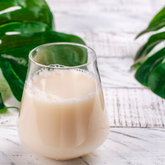
Fresh oat milk made at home contains oats and water. That's it. The taste is incomparably better - particularly when warmed, when the natural sweetness of the oats comes through in a way that no carton milk can replicate.
With the Milky Plant Plus, you can make a litre of fresh oat milk, almond milk, hazelnut milk, or any other variety in three minutes. At approximately £0.12 to £0.15 per litre, it costs a fraction of anything from the supermarket - and the hot water function means you can have your warm autumn drinks ready in moments.
Autumn Vegan Recipes to Start Planning
Roasted Butternut Squash Soup with Toasted Pumpkin Seeds
A silky, warming soup that takes about 45 minutes and uses nothing but seasonal produce. Roast the squash with garlic and cumin, blend with vegetable stock and a splash of plant milk, and finish with toasted pumpkin seeds and a drizzle of good olive oil.
Red Lentil and Sweet Potato Dal
One of the most nourishing autumn meals you can make. Lentils and sweet potato cook down into a thick, warming dal with turmeric, ginger, and coriander. Serve with brown rice and a squeeze of lemon.
Hazelnut Milk Porridge with Poached Pears
Make fresh hazelnut milk with the Milky Plant Plus, use it as the base for your morning porridge, and top with pears poached in cinnamon and a handful of walnuts. A genuinely luxurious breakfast for cold mornings.
Golden Milk
A cup of fresh oat milk warmed with turmeric, cinnamon, black pepper, and a touch of maple syrup. One of the most comforting drinks you can make - and genuinely beneficial for immune support during the transition into colder months.
Nutrients to Focus On This Autumn
As the seasons change, there are a few nutritional areas that plant-based eaters should pay particular attention to:
Vitamin D - sunlight exposure drops significantly in autumn across the UK and Northern Europe. The NHS recommends that everyone considers a vitamin D supplement from October to March. Most plant-based vitamin D3 is derived from lichen and is widely available.
Iron - plant-based iron (non-haem iron) is less readily absorbed than animal-sourced iron, but pairing iron-rich foods (lentils, pumpkin seeds, tofu, quinoa) with vitamin C dramatically improves absorption. Add lemon juice to your lentil soups.
Omega-3 - walnuts, hemp seeds, and flaxseeds are excellent plant sources of ALA omega-3. For a more complete omega-3 profile, algae-based DHA/EPA supplements are worth considering.
B12 - the one nutrient that cannot be reliably sourced from plant foods. A B12 supplement is essential for anyone eating a fully plant-based diet.
The Mindset Shift: Autumn as a Season of Abundance
One of the most common misconceptions about plant-based eating in autumn and winter is that it becomes restrictive - that without salads and smoothies, there's nothing left to eat.
The opposite is true. Autumn is when plant-based cooking becomes most satisfying. The ingredients are more flavourful. The cooking methods - roasting, slow-cooking, braising - bring out depth that quick summer cooking never achieves. The warming spices, the hearty grains, the earthy root vegetables - this is the season the plant-based kitchen was built for.
The key is preparation. Stock your pantry now. Explore the seasonal produce at your local market. Invest in the tools that make home cooking easier - including, if you haven't already, a way to make fresh plant-based milk at home rather than reaching for another carton.
Autumn is coming. Your vegan kitchen is ready for it.